


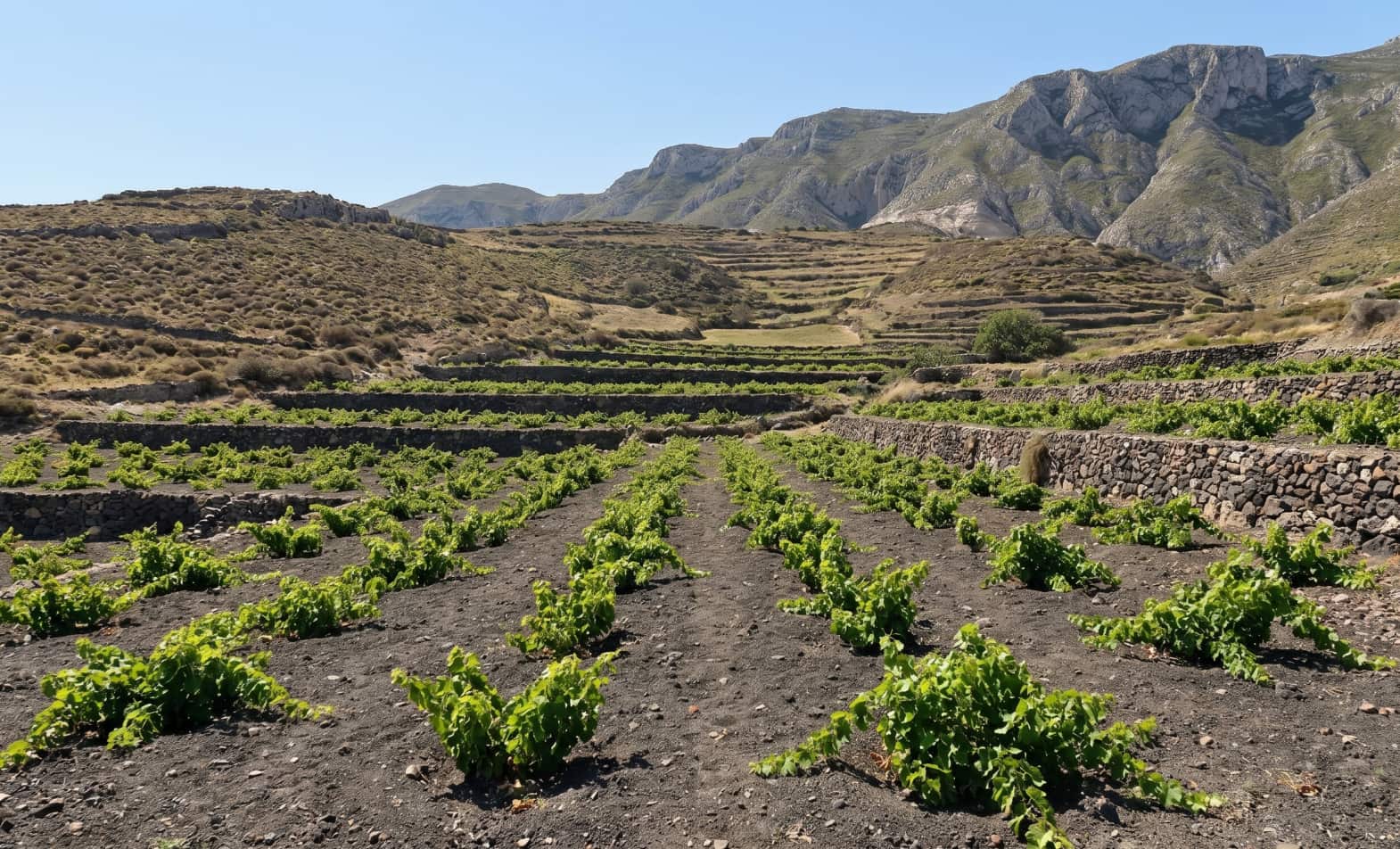
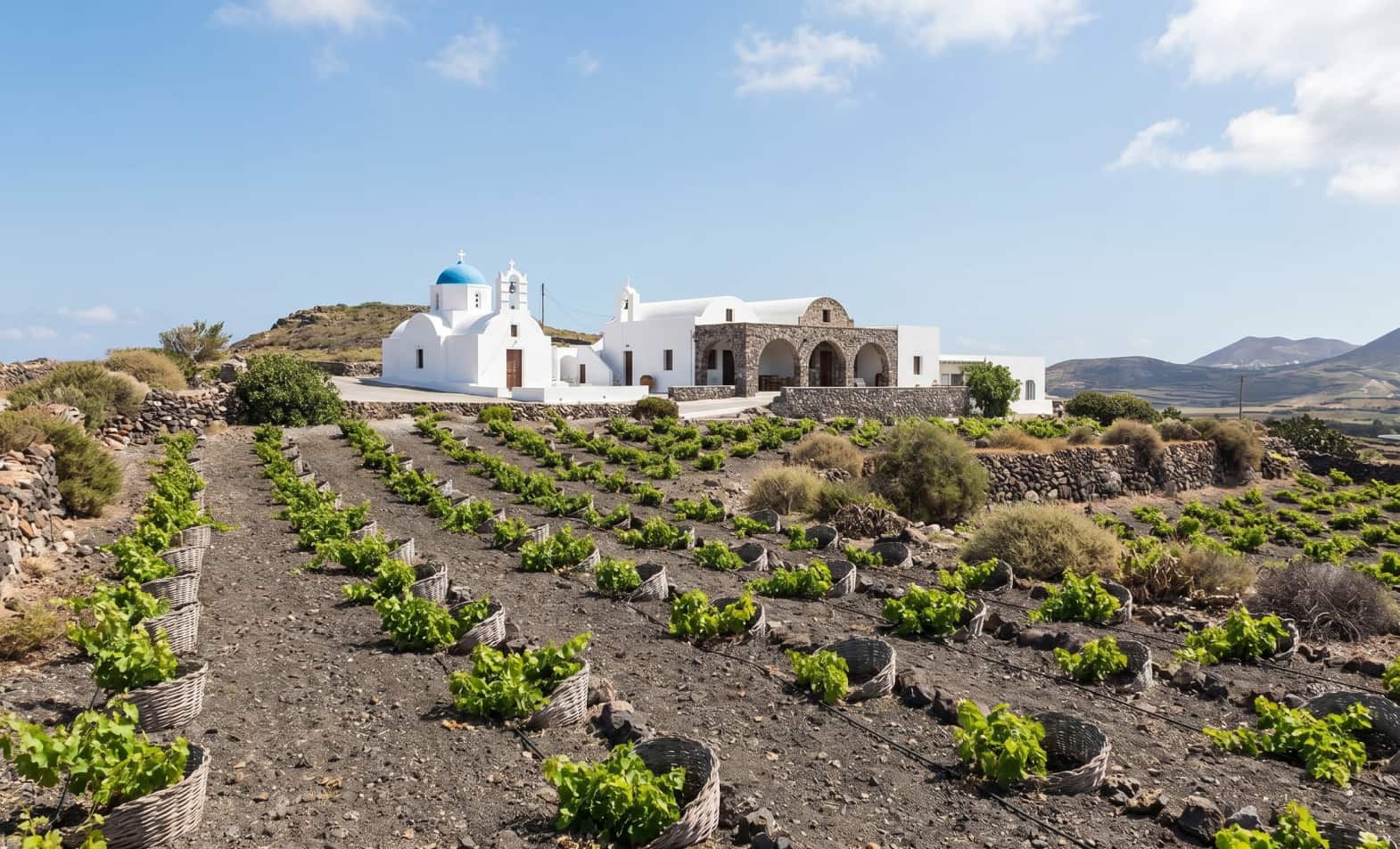
Wine on Santorini is older than most countries. The grapes are harvested and wines produced here for over three thousand years, with the pre-phylloxera vines looking like they just stepped out of a 17th century taverna are some of oldest cultivated plants on the planet. What is impressive for such an old wine region is the percentage of production that remains in family hands. The producers below are not nameless, anonymous multi-million euro corporations operating a cellarmanship ruse behind historic architecture. What you see is what you get, a producer pouring wine under a family name on the bottle label that is the same surname on the lease deed to the property.
Bellow there is a guide with seven family wineries worth reading. There is also a short guide on which one suits for whih kind of visit
Domaine Sigalas — Oia, Northern Plain
It’s well known that Paris Sigalas was a mathematician before he became a winemaker. His own childhood summers were spent by his grandfather’s side pressing grapes. In 1991, Sigalas released the first vintage of his Santorini Assyrtiko under his own label and is widely credited with kick-starting the modern Santorini wine scene as it gained international recognition. The Sigalas estate is located on the broad, flat plain just outside Oia and therefore provides a rarity at this end of the island: a flat vineyard with wide views.
This distinguished winery has recently changed hands. It is now fully owned by the Boutaris family (of the Kir-Yianni wine company in Naoussa, founded by the sixth generation of Boutaris wine makers) and is being managed by Stellios Boutaris and a new, youthful scientific team. The philosophy remains the same: 100% indigenous grape varieties, sustainable (or natural) viticulture, and an ever-growing passion for Assyrtiko, the white grape variety that – as we continue to assert – deserves world recognition. Sigalas was the first winery to bottle a monovarietal Mavrotragano and its 1997 vintage was produced back when nobody else was paying any attention to this grape.
Tastings and food pairing happen at long wooden tables surrounded by the vineyards, with Cycladic specialities. Five-wine flights start from €30 and increase in price in keeping with the vintages. A decent alternative for tourists staying in Oia and not wishing to go all the way to the south.
Gavalas Winery — Megalochori
Gavalas Wines are produced by the Gavalas family at their estate in Megalochori since the end of 19th century. The family has been producing wine in the area for almost a century, and their winemaker, George Gavalas, is the fourth generation of his family to make wine there – his son Vagelis is the fifth. The winery is based in an old stone canava with the original cellars and ‘kativani’ (the old grape-stomping rooms) where the grapes were once trodden by foot to make wine. In addition to these traditional premises, there is a modern stainless steel winery behind the historic facade.
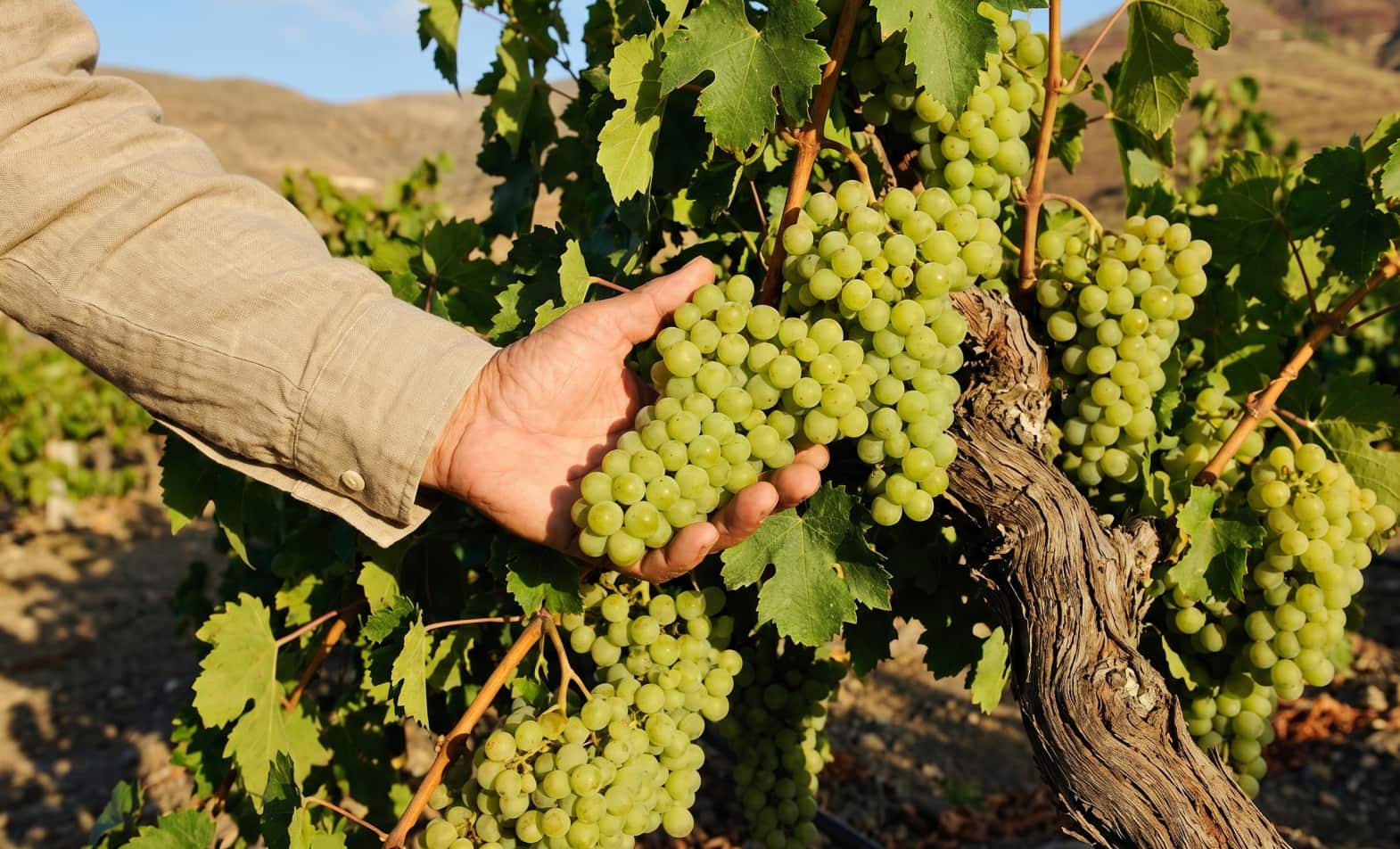
Biological diversity is under threat on many levels, but at the Santorinian winery Gavalas, a variety of grape species are being preserved. They are the only producer on the island to bottle Katsano, a white grape that covers less than 1% of Santorini’s total vineyards. The winery also works with the almost-extinct red grape Voudomato that was once in danger of disappearing. Gavalas also produces a terrific Assyrtiko as well as an excellent expression of the lesser known Aidani, Mavrotragano and Mandilaria grape varieties.
Their introductory tasting called “Introduction to Santorini” (runs around 45 min) at €25 per person (5 wines & food pairings). They also do longer tastings with verticals of older vintages upon request.
Hatzidakis Winery — Pyrgos Kallistis
Haridimos Hatzidakis was born in Crete, but he came to Santorini in the early 1990s to work as head oenologist for Boutari. It was there that he met his wife, Konstantina Chryssou, whose family owned a long-abandoned vineyard near Pyrgos. In 1996, Hatzidakis began to cultivate the property and in a hidden cave at the end of one parcel, he started to make wine. The first vintage was released in 1997.
Haridimos Hatzidakis of Hatzidakis Winery in Santorini passed away unexpectedly in August 2017. His widow and three children, including eldest daughter Stella, decided not to sell. Today the all-female oenology team produces the wines the same way Haridimos did: indigenous yeasts only, no chemical additives, unfiltered and certified organic on every parcel of land. The winery was the first on the island to bottle Aidani as a monovarietal (in 2000) and revived Mavrotragano in 1997, alongside Sigalas.
For tastings you can sit inside the cave on long monastery benches, where you will be treated with 6 wines including a lovely Naxos graviera cheese and some delicious barley bread. Many wineries in the region are only open high season, but Hatzidakis is open year round. Reservations are necessary during all seasons. Some of the most expressive single-vineyard wines on the island come from the two ‘single-vineyard’ bottlings from the Louros and Mylos plots.
Venetsanos Winery — Megalochori, Caldera Edge
This is the winery where it all began for Venetsanos. Built by George Venetsanos in 1947, this was the first industrial winery on the island. Electricity was hard to come by at the time on Santorini, so the family literally built the winery into the side of a cliff. Four levels of cellar store the grapes at the top, then the must, then the fermenting wine and finally the finished wine. The lowest pipe ran stright to the dock at Athinios port, where casks could be loaded onto ships bound for Russia, France and Egypt.
Once a thriving winery and the last working vineyard in Santorini, it was abandoned for decades until the family that owns it was able to reopen it in 2015, not only as a working winery, but also to welcome visitors to the property and enjoy a taste of the past, surrounded by the original 1947 equipment that is on display in a tiny ‘museum’. Tastings are offered in a magical setting on a stone terrace with views across to Fira and Oia. Their renowned Sunset Terrace (open May to mid-October) is reportedly one of the most-photographed locations in Greece to enjoy a wine-tasting.
Tasting fees begin at €30 per person for a five-wine tasting with light bites. Lunch and full sunset tasting experience usually cost more. Sunset slots are particularly popular in the summer months and often sell out weeks in advance, so book ahead.
Argyros Estate — Episkopi Gonia
The Argyros story begins in 1903, when Georgios Argyros began bottling wine from a small five-acre plot in Episkopi Gonia. His son Matthew expanded the holdings in the 1950s. His grandson Yiannis took over in 1974 and turned a small family operation into one of the most respected estates in Greece. Yiannis was the man who proved internationally that Santorini Vinsanto could stand alongside the world’s great sweet wines, and that dry Assyrtiko could age beautifully for decades.
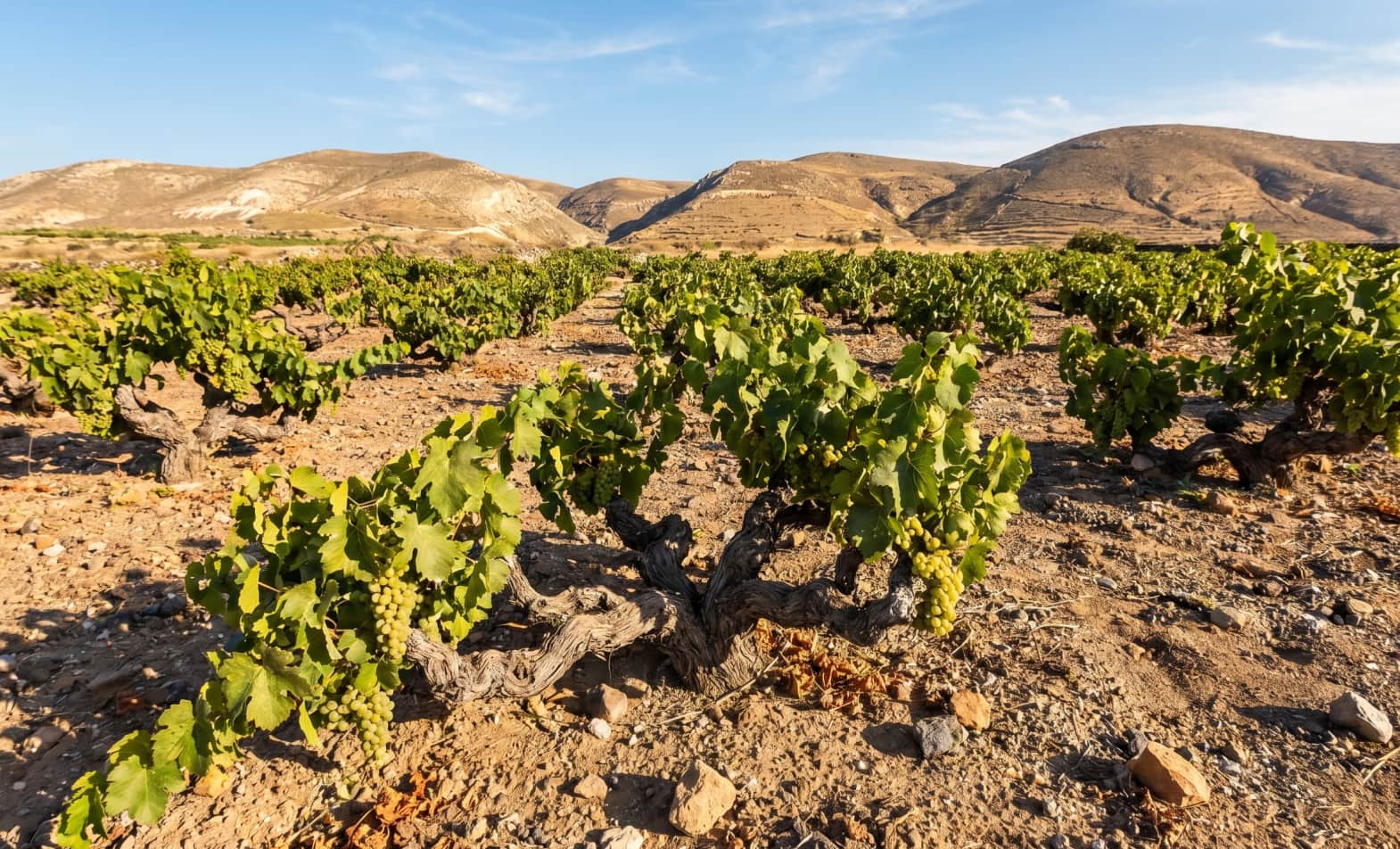
Today Yiannis’s son Matthaios runs the estate as the fourth generation. Argyros owns more vineyard land than any other private producer on Santorini — over 120 hectares — and some of their parcels contain ungrafted vines that are more than 200 years old. The current winery, completed in 2015 in Episkopi, is one of the most architecturally striking on the island.
If Vinsanto is what you’re after, Argyros is the address. Their oldest releases age for two decades or more in old French oak and command serious prices on the international market; their 12-year Vinsanto has scored 98 points from major international critics. Tasting flights start around €30 and rise considerably for the rare bottlings.
Boutari Winery — Megalochori
The Boutari family have been producing fine wines in Greece for over 109 years, starting with the founding of the first Boutari winery by Ioannis Boutari in 1879 in the heart of Macedonian wine country in Naoussa. In 1989 Ioannis’ grandson Vangelis Boutari established a new winery in the picturesque Volcanic archipelago of Santorini. In 1990 it became the first winery on the island to organise guided tours and tastings for visitors from around the world. Prior to the arrival of Boutari in Santorini, wine was produced in the region but mainly consumed there too. After Boutari arrived, the rest of the world began to import wine from the island.
The white-domed Kallisti Winery in Greece’s volcanic santorini island was designed to mimic local buildings, but its equipment is far from rustic. Used by Boutari, the first producer on the island to implement stainless steel tanks, pneumatic presses, and temperature-controlled fermentation, the winery’s arsenal of techniques has become standard practice. Its flagship wines Kallisti and the Reserve version have been recieving gold medals for several years, in places as far-flung as the Czech Republic and Hungary.
Tastings start at €15 for a 45 minute intro flight and go up to €85 for a full day of food paired tastings. A great option for first time drinkers of Greek wine, a structured guided tour for newbies, with multilingual hosts and a huge range of wines to sample.
Canava Roussos — Mesa Gonia (Episkopi Gonias)
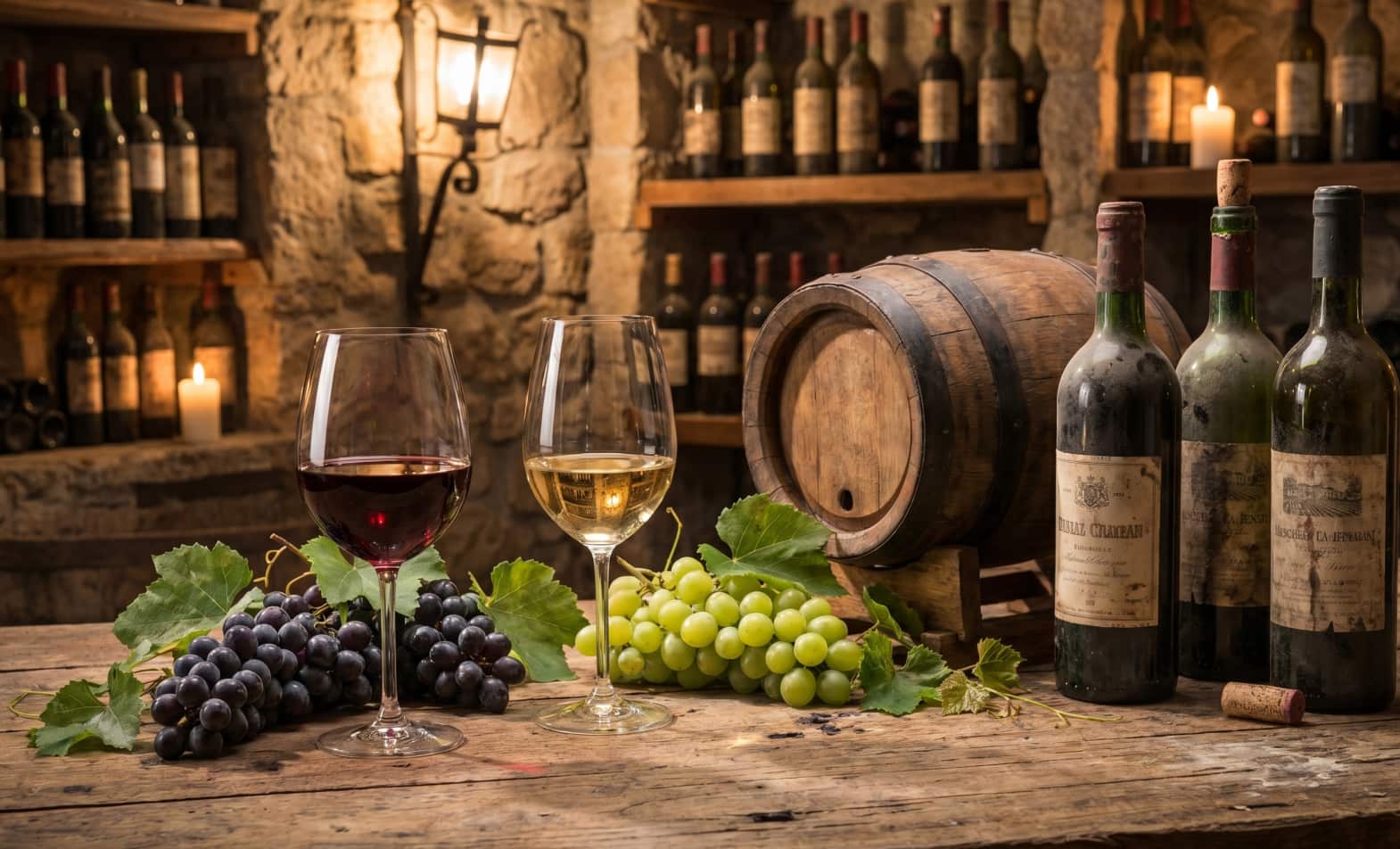
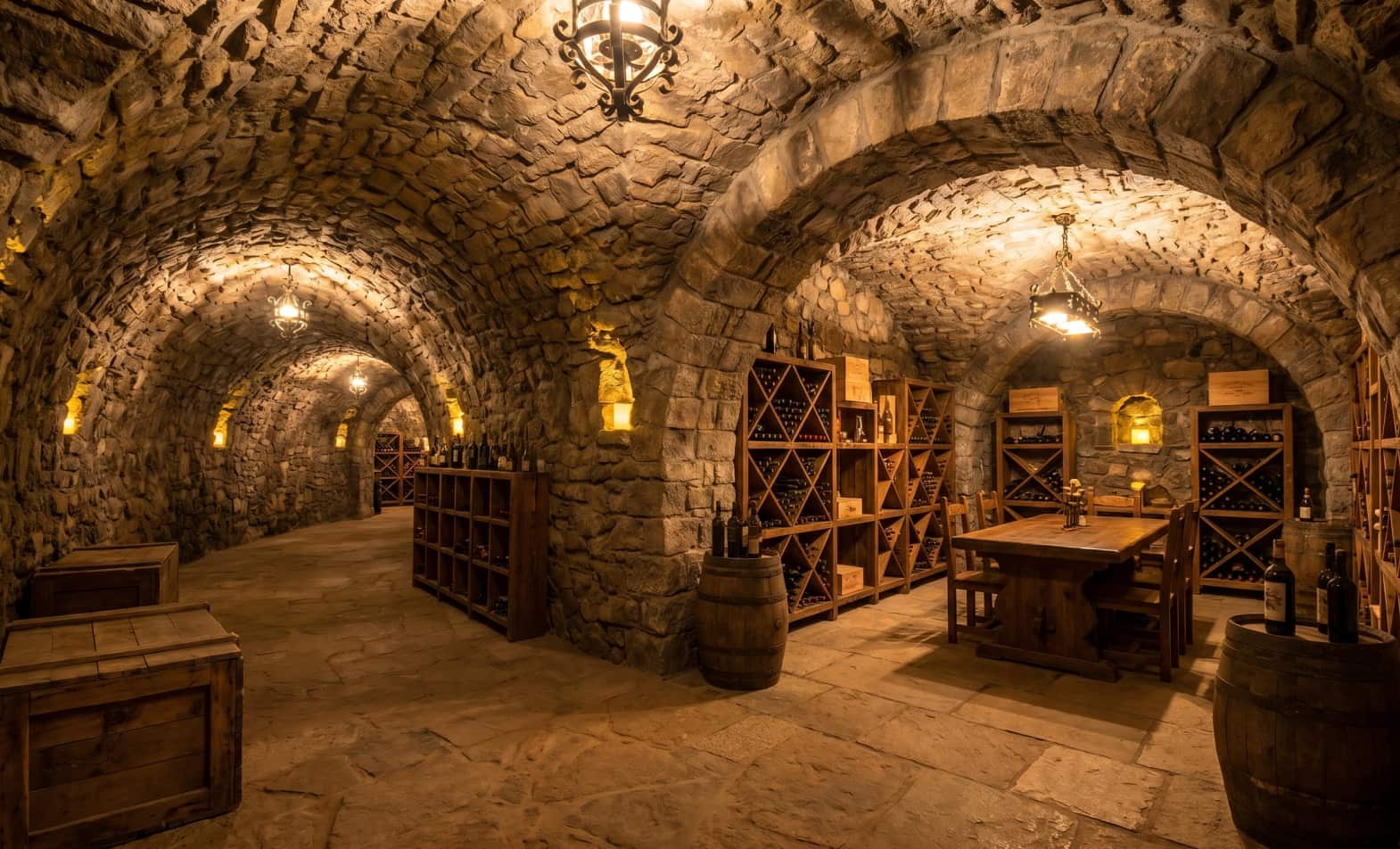
Canava Roussos is the oldest continuously operating winery on Santorini! In fact, the five generations of the Roussos family have worked the same canava (traditional wine cave) since it was built in 1836. Part of the Canava is still used as the original cistern where the must was once “boiled” during fermentation. The other half is a museum like space housing many of the traditional 19th century wine making artifacts, while the other half of the Canava is a working tasting room. Outside in the cool and peaceful garden-like courtyard you can view the beautiful vegetation of the island and relax while enjoying a taste of our fine Santorinian wines.
This is the most laid-back winery out of the seven here, with no formal booking system for small groups and no forced flight schedule. More importantly, no-one will hurry you out the door. You can sit under a beautifully designed arched space and order bottles and mezedakia from a list. There are also guides and tasting sheets to help you navigate the wines. Prices for tastings have been around €3 per sample or €6 per glass; best to check on arrival.
Their Nama – a beautiful sweet church wine made in the old liturgical style – and their Mavrathiro red are rare to find on the island. They hold occasional theatre and music performances in their summer outdoor amphitheatre.
You can find them on Google Maps under the moniker Canava Roussos, they are located in Episkopi Gonias and you can get in touch with them on +30 22860 31278.
Which Winery Should You Choose?
For first time visitors, Boutari is a great option for those who want a structured tour in multiple languages, with multiple tastings. Venetsanos also runs a similar tour, and has the beautiful views of the bay.
For the wine geek: If you are into rare grape varieties, organic winemaking methods and appreciate the craft of the winemaker, Hatzidakis for the cave-like setting and their single-vineyard bottlings (Chrysi, Stavro and Xymph), and Gavalas for the wines made 100% from Katsano grapes as well as those from the Voudomato vineyard.
For those loving Vinsanto and old-vine Assyrtiko at the highest international level: Argyros, stands basically unrivalled.
For couples staying in Oia who don’t want to cross the island: Domaine Sigalas is the only one of these wineries on the northern plain.
For travellers who want to experience what a Santorini winery visit was like fifty years ago: Canava Roussos.
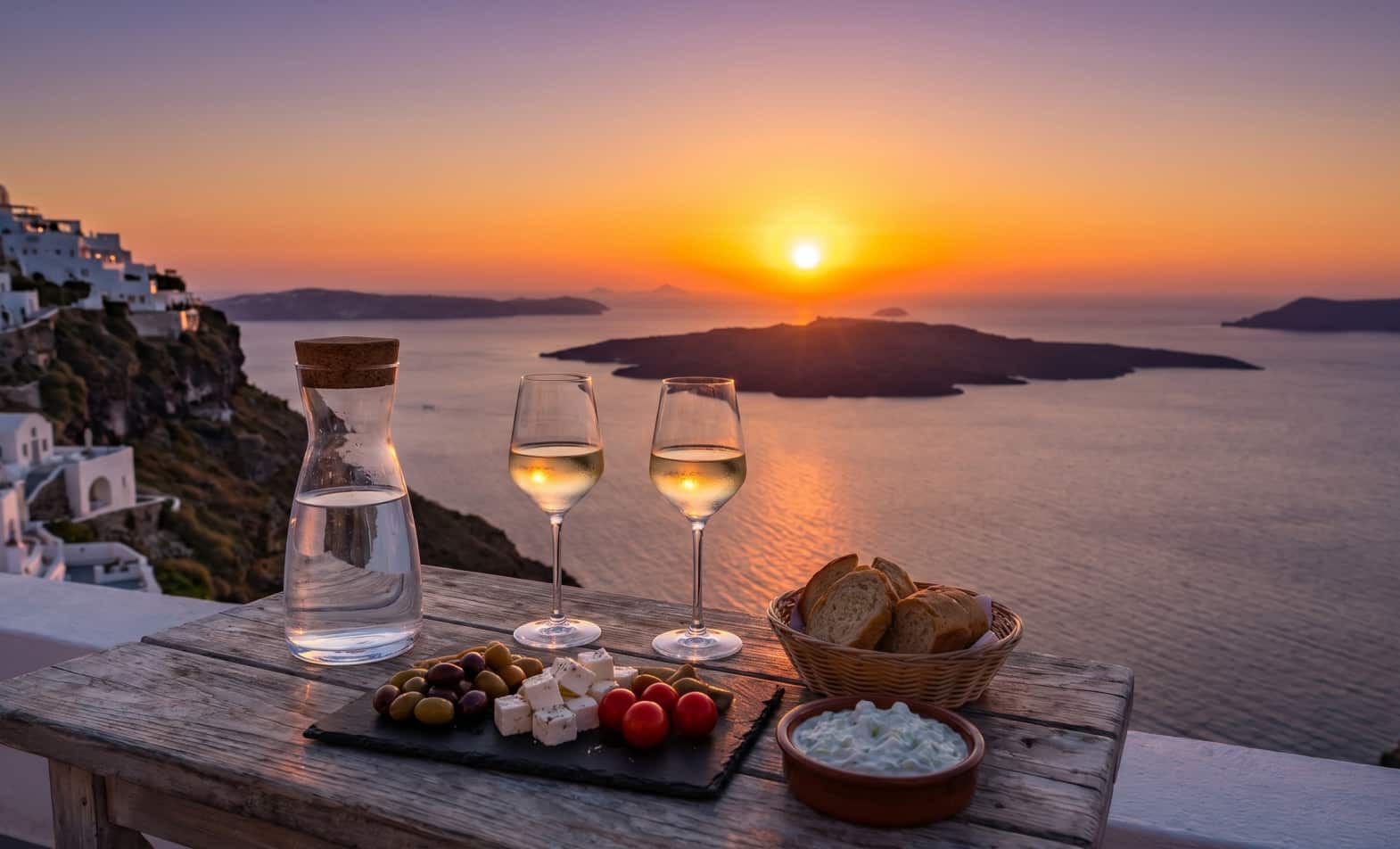
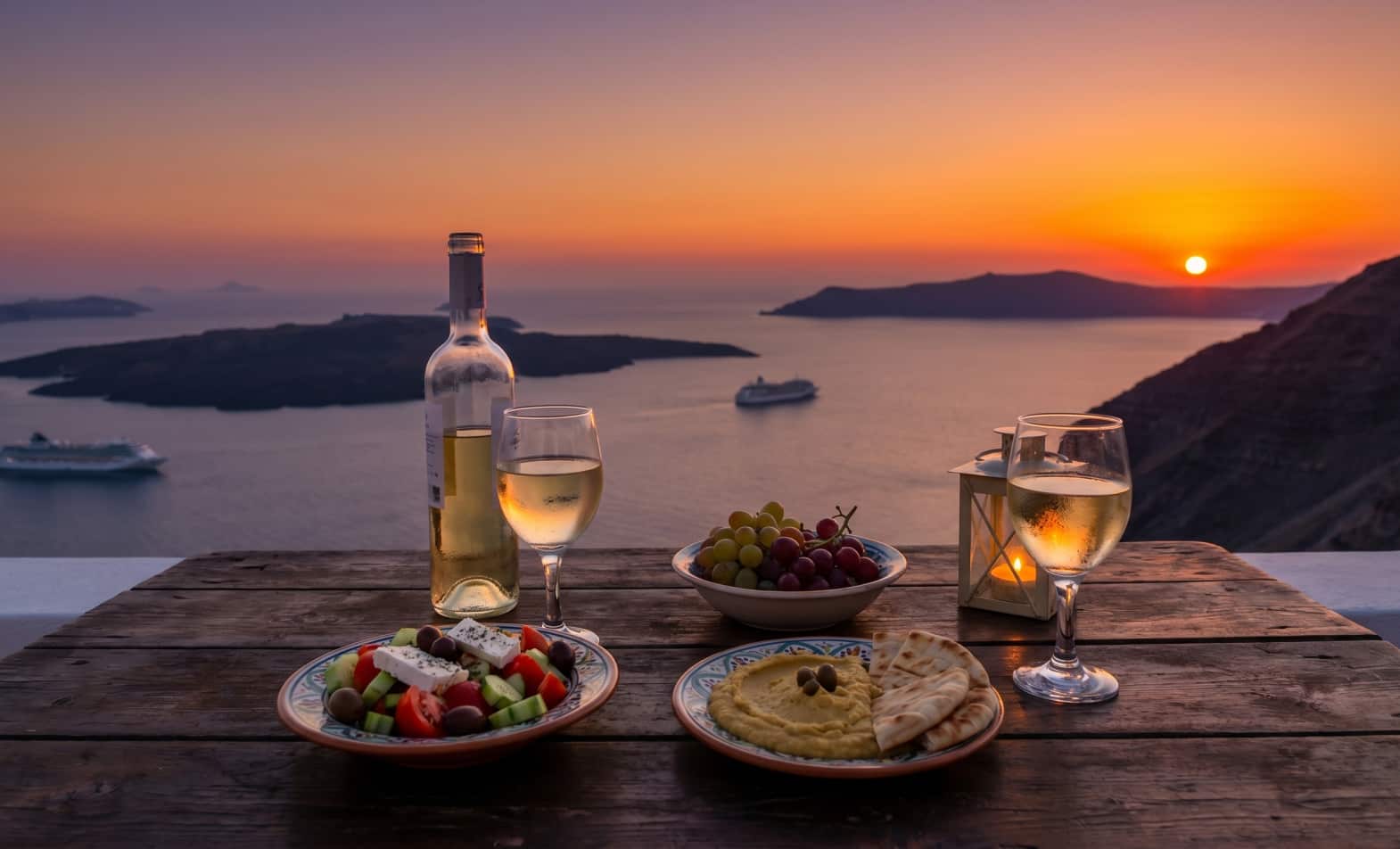
Watch the sunset on the caldera with a glass of Assyrtiko grape juice (wine) in hand at the Venetsanos Sunset Terrace, May to mid-October. Reserve tables at least three weeks in advance, during summer season.
A Few Practical Notes
The wineries are scattered across the island in three different areas. The southern most group is found around the village of Megalochori and Pyrgos in the south of the island. Gavalas and Boutari are just a few minutes’ walk from each other in the centre of Pyrgos, close to the popular Venetsanos vineyards. The more interesting (and smaller)wineries – such as natural wine pioneer Hatzidakis – are a few minutes drive away in nearby Episkopi Gonia, home to winemakers Argyros and Canava Roussos. The third group is found in the north near Oia at Domaine Sigalas.
Though you can theoretically take the public buses around the island, having a driver or rental car makes for an infinitely easier multi-stop day. Many of the wineries can provide you with a rough map of possible itineraries on request.
Reservations are necessary at all seven wineries during high season (June to early October), especially for sunset hours and the longer food-paired tastings. Both the 2024 and 2025 vintages here are minuscule, with grape prices at an all-time high and the island’s total production below historical averages due to weather-related yield losses. With many older vintages vanishing from foreign markets, it’s best to purchase any Older vintages of Assyrtiko and Vinsanto that you love at the winery rather than wait to import them.
Officially speaking, for more information and the regulations for a Santorini PDO, as well as full vintage report and list of producers, you should check out the official website of the Santorini Winemakers Association at santoriniwines.gr.
If you’d like to see how these wines pair with the kind of food they were made to accompany — fresh fish from the Aegean, slow-cooked lamb, sun-warmed tomatoes from Akrotiri — take a look at our full wine list at Oia Gefsis, where several of these producers feature alongside our chef Dimitris’s seasonal Cycladic menu.